


If you’ve ever felt that sudden jolt of worry on a busy highway, you know how quickly everything can feel overwhelming. This guide isn’t about fear, it’s about a clear plan you can actually follow—so you stay safe, stay in control, and get help when you need it.
Pulling Over Safely: First Things First
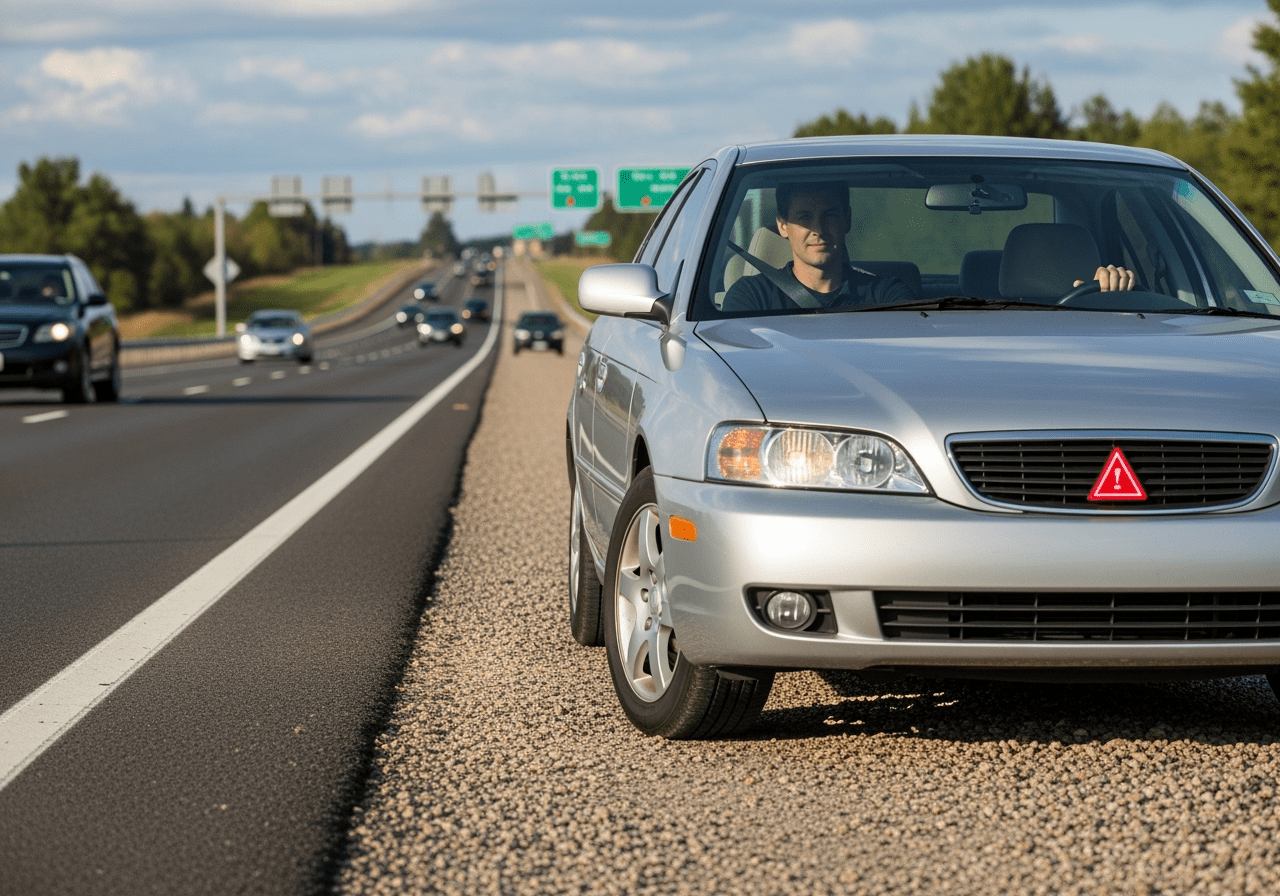
The moment you sense something isn’t right, keep cool and focus on getting to a safe spot. On a highway, speed and momentum are powerful and dangerous, so your first job is to create distance between you and traffic without making a sharp move.
Imagine you’re driving in the middle lane and your car suddenly starts acting up. You’ll want to move toward the shoulder or the next turnout as smoothly as you can, rather than slam on the brakes in the middle of fast traffic. That calm, deliberate move often makes a life-or-death difference for you and other drivers.
- Turn on your hazard lights immediately to signal trouble to other drivers.
- Ease off the throttle and coast toward the shoulder, steering with steady hands to avoid wobbling into lanes.
- If you’re steering into the shoulder, pick the spot well off the roadway. Don’t stop on the shoulder of curves or near exits where cars curve back toward you.
- When you’ve stopped, fasten your seatbelt, keep doors closed, and stay inside the car unless you’ve got a safe reason to exit.
Get Help and Stay Safe: What to Do Next

Once you’re parked, the goal shifts from getting moving to getting help. You’re not alone out there—millions of drivers face this. The key is to be proactive, communicate clearly, and keep everyone calm while you wait.
Think of it like calling for a restart in a game: you set up the safety net, call in the help you need, and then follow the coach’s directions until you’re back on track. If you have passengers, explain the plan briefly so everyone knows what to expect and where to stand if someone has to exit the vehicle to check for problems.
- Call roadside assistance, your insurer, or the car’s manufacturer support line. If you’re in a crowded area, a local tow service is often quickest; in remote areas, professional help may take longer—plan accordingly.
- Tell them your location as precisely as you can (highway name, exit number, mile marker). Share your car’s make, model, color, and any notable features that help responders find you fast.
- If you can, use reflective markers or road flares where allowed, and keep a light on if it’s dark. Stay off the roadway and wait where you’re visible to oncoming traffic.
Step-by-Step Plan for a Highway Breakdown

- Step 1 — Safely stop and assess: Find the safest possible spot to pull over, turn on hazards, and check for obvious issues you can address from a safe distance. If you can’t safely restart the car, don’t try to drive it again—wait for help.
- Step 2 — Make yourself and your car visible, then call for help: Place yourself and any passengers where you won’t be in the flow of traffic. Call emergency or roadside assistance and give precise location details. If you have a flashlight or reflective vest, use them to improve visibility.
- Step 3 — When help arrives, follow directions and plan the next steps: The technician or tow truck will assess. If you’re feeling anxious, ask for a clear explanation of what they’ll do and what you should do next. After the car is secured, decide about a ride home, a rental, or waiting for a repair appointment—whatever fits your schedule and budget.
Optional — common mistakes / myths / checklist

- Mistake: Staying in the car when traffic is heavy. Reality: If you must exit, do so on the safe side away from traffic and stand well clear of the roadway until help arrives.
- Myth: It’s safer to attempt a quick fix yourself on the shoulder. Reality: Most breakdowns aren’t quick fixes in a highway setting; calling professionals is usually safer and faster.
- Quick checklist: Keep a basic roadside kit in your trunk (flashlight, reflective gear, small first aid kit, water, a charged phone, a blanket). Have your insurance or roadside assistance number saved in your contacts, and know your route and exit points before you hit the road.




Leave a Reply