
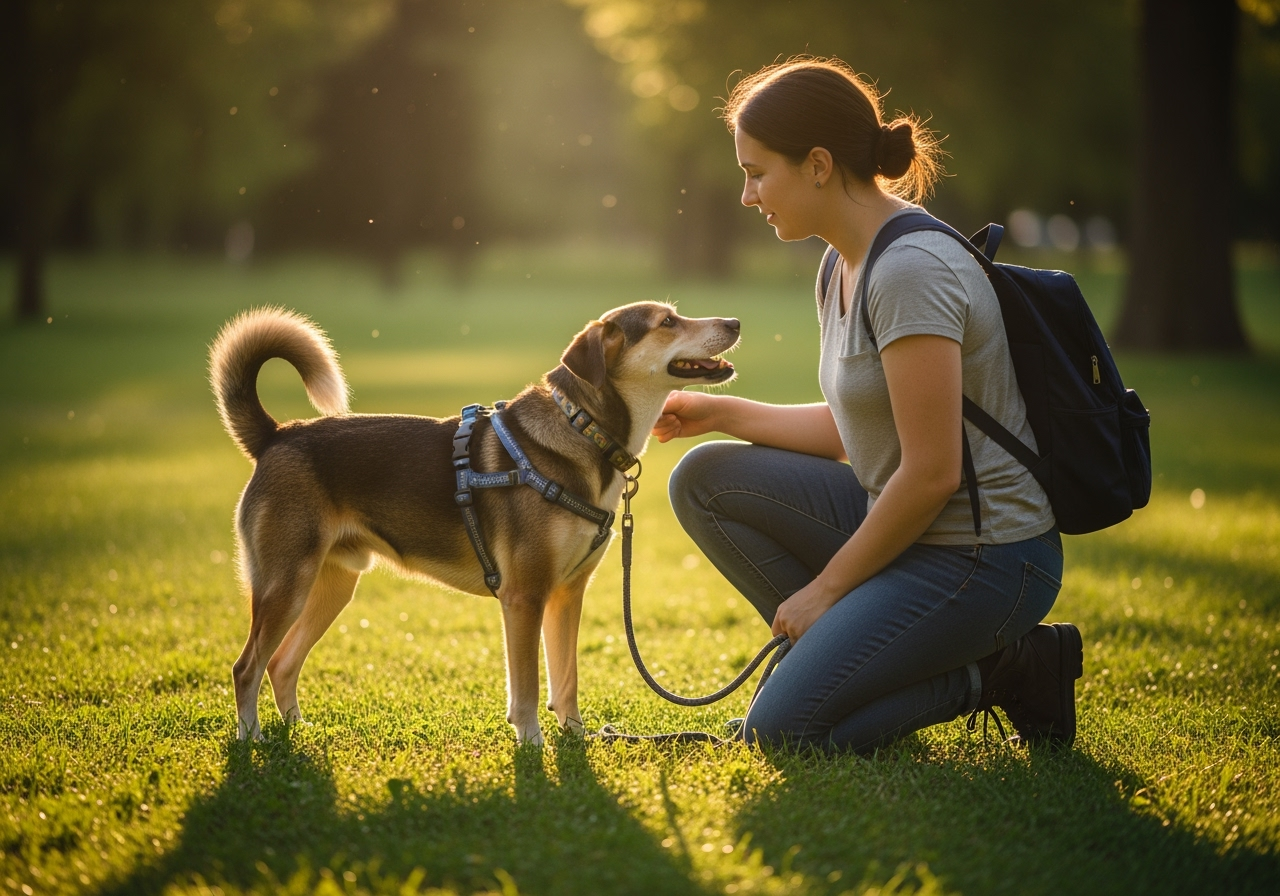

Dogs don’t speak in words the way we do, but they say a lot with their bodies. Learning to listen to those signals changes how you live with your dog—reducing stress, preventing conflicts, and strengthening trust. It’s about curiosity, patience, and regular practice.
Tail tells the truth: reading tail position and movement

The tail is one of the most expressive parts of a dog’s body. A loose, gentle wag in a relaxed dog usually signals comfort and curiosity. A high, stiff tail can mean alertness or arousal, which isn’t inherently bad, but it can tip toward tension if the rest of the body tightens. A tucked tail is a clear sign of fear or insecurity. The pace, direction, and overall tension matter as much as the position itself.
Imagine you’re at the park and your dog is sniffing a post. If their tail is neutral and waving softly, they’re in a good mood and open to gentle interactions. If the tail sticks straight up and trembles slightly, your dog is on alert and might be preparing to retreat or guard space. If the tail is tucked between the hind legs, turn your attention to creating calm space and a safe exit route.
- Note your dog’s baseline tail posture in calm moments, then watch for deviations in moments of excitement or stress.
- Use distance as your first tool. If the tail signals arousal, give space and slow your approach.
Eyes, ears, and facial expressions: the face as a map of mood

Face signals are powerful. Soft, relaxed eyes with a calm gaze usually indicate comfort and trust. Wide eyes or a hard stare can signal arousal or potential threat. Ears laid back against the skull often accompany fear or irritation, while ears pricked forward usually show interest or focus. The mouth matters too: a closed mouth with a relaxed jaw can suggest ease; a slightly open mouth with a lolling tongue generally signals contentment; a tight, closed mouth with raised lips or bared teeth is a warning sign that should be respected or avoided.
Think of a time you’ve seen a dog at the end of a leash before a walk. If they’re smiling with a soft mouth and relaxed eyes, you’re likely in for a good stroll. If their ears pin back and their lips pull tight, they’re not in the mood for interaction and may need space or a slower approach. If the whites of the eyes show prominently (the so-called “whale eye”), that’s often a sign to back away and reassess the situation.
- Observe the whole face rather than isolated parts; tension in one feature often accompanies other cues.
- Pair facial signals with body posture and context to interpret the overall state accurately.
Putting it all together: a step-by-step method to read and respond

- Step 1 — Establish baseline mood. Start in a familiar, low-stress setting and notice how your dog typically stands, breathes, and carries their tail when relaxed.
- Step 2 — Spot red flags early. Tension, a tucked tail, stiff body, or a frozen stare often signal that something is making your dog uncomfortable. Don’t push for interaction in that moment.
- Step 3 — Decide how to respond. If signals point to discomfort, pause, give space, and diffuse the moment with a calm voice and slow movements. If you want to approach, do so gradually and from the side rather than head-on to reduce perceived threat.
- Step 4 — Create positive associations. Use short, rewarding interactions at a respectful distance, then gradually reduce space as signals improve. The goal is to rebuild confidence and predictability.
- Step 5 — Check in regularly and adapt. Dogs change with circumstances—weather, new people, or unfamiliar dogs can shift signals. Reassess and adjust your routines accordingly, or seek guidance from a professional if signals persist or escalate.
Common myths, facts, and practical checklists

- Myth: A wagging tail always means “friendly.” Fact: Tail movement can accompany arousal or overstimulation. Look at the entire body and context before deciding how to respond.
- Myth: Direct eye contact is a sign of trust. Fact: Many dogs find direct, sustained eye contact threatening. Soft eyes and a relaxed head position are better indicators of comfort.
- Myth: If a dog looks away, it’s submissive. Fact: Looking away can simply be a strategy to avoid conflict or to retreat from a stressful moment; it doesn’t always imply submission.
Practical tips you can apply today: when in doubt, pause and give space. Move slowly, use a lower voice, and let the dog guide the pace of interaction. If your dog is showing signs of fear or aggression frequently, consult a professional trainer or veterinary behaviorist for step-by-step guidance tailored to your situation.




Leave a Reply