
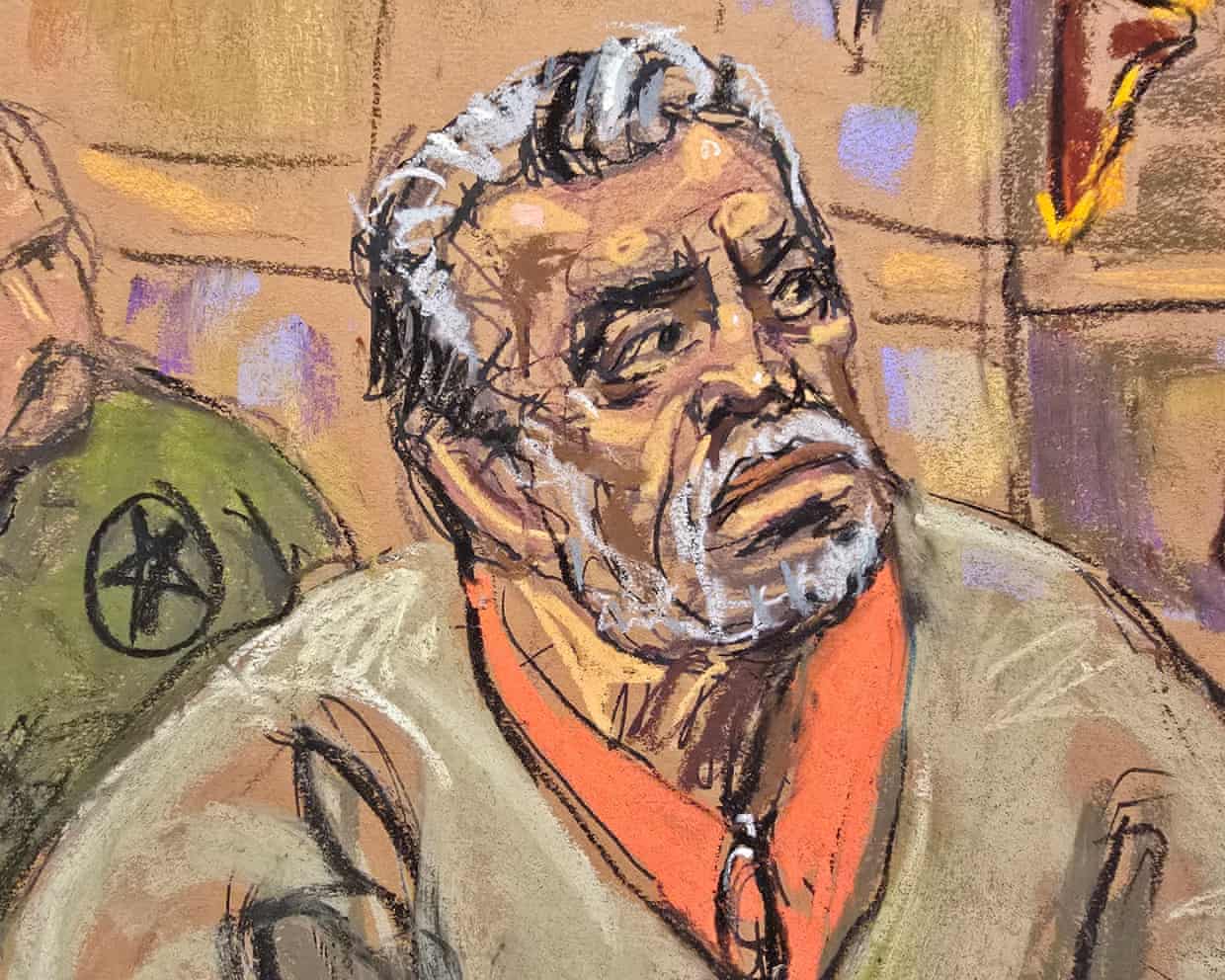

Ismael “El Mayo” Zambada, a co‑founder of the Sinaloa cartel, pleaded guilty in a New York federal court to racketeering and to operating a continuing criminal enterprise. The plea comes more than a year after his July 2024 arrest in Texas, following what authorities described as a kidnapping plot.
Speaking through a Spanish-language interpreter, the 77-year-old said he recognized the harm caused by illegal drugs and expressed remorse, taking responsibility for his actions. The plea confirms his role in building what prosecutors described as a violent, highly militarized cartel with a private security force and hit teams that carried out killings, kidnappings and torture.
Under Guzmán and Zambada, the Sinaloa cartel rose to be one of the world’s largest drug‑trafficking networks, moving heroin, methamphetamine and fentanyl from production sites in Mexico into the United States. Zambada’s arrest followed his arrival in the United States on a flight with Joaquín Guzmán López, the son of jailed drug lord Joaquín “El Chapo” Guzmán, who is serving a life sentence in an American prison. U.S. authorities have long identified Guzmán and Zambada as central figures in the organization.
Prosecutors said the cartel operated with a formidable armed cadre and a reputation for brutality, and that its influence extended across Mexico’s Golden Triangle—Sinaloa, Durango and Chihuahua. A former associate testified that Zambada’s bribery budget could reach as high as $1 million per month, with payments flowing to numerous officials at various levels of government.
The plea agreement arrives two weeks after prosecutors said they would not pursue the death penalty. Zambada’s attorney, Frank Perez, characterized the agreement as a meaningful step toward a fair resolution. In supporting remarks, U.S. Attorney and top officials stressed that the case demonstrates that no cartel leader is beyond the reach of U.S. justice. DEA Administrator Terrance Cole and other officials said dismantling the cartel network protects American families and disrupts the flow of drugs.
After his arrest, Zambada asserted that he was abducted and brought to the United States against his will; he later petitioned the Mexican government to request extradition. Mexico said it would investigate any officials involved in transferring a Mexican citizen to foreign authorities.
Separately, the case intersects with broader policy debates in Washington. Reports in August indicated White House plans to increase pressure on Mexico to curb cartel activity, including options involving broader security measures. Meanwhile, Guzmán has filed a federal complaint alleging cruel and unusual confinement at the Supermax prison in Florence, Colorado, describing prolonged isolation and related health concerns; his lawyers argue the conditions amount to unconstitutional punishment.
Source: Full Article The Guardian




Leave a Reply